

British Western Red Cedar Cladding
British cedar is stable, durable and it grows in our local woodlands. Although the wood is relatively knotty when compared to Canadian cedar, it is considerably cheaper.
Style
Traditional
Profiles
All sawn and machined profiles
Source
British woodlands
Beware
Easy to damage
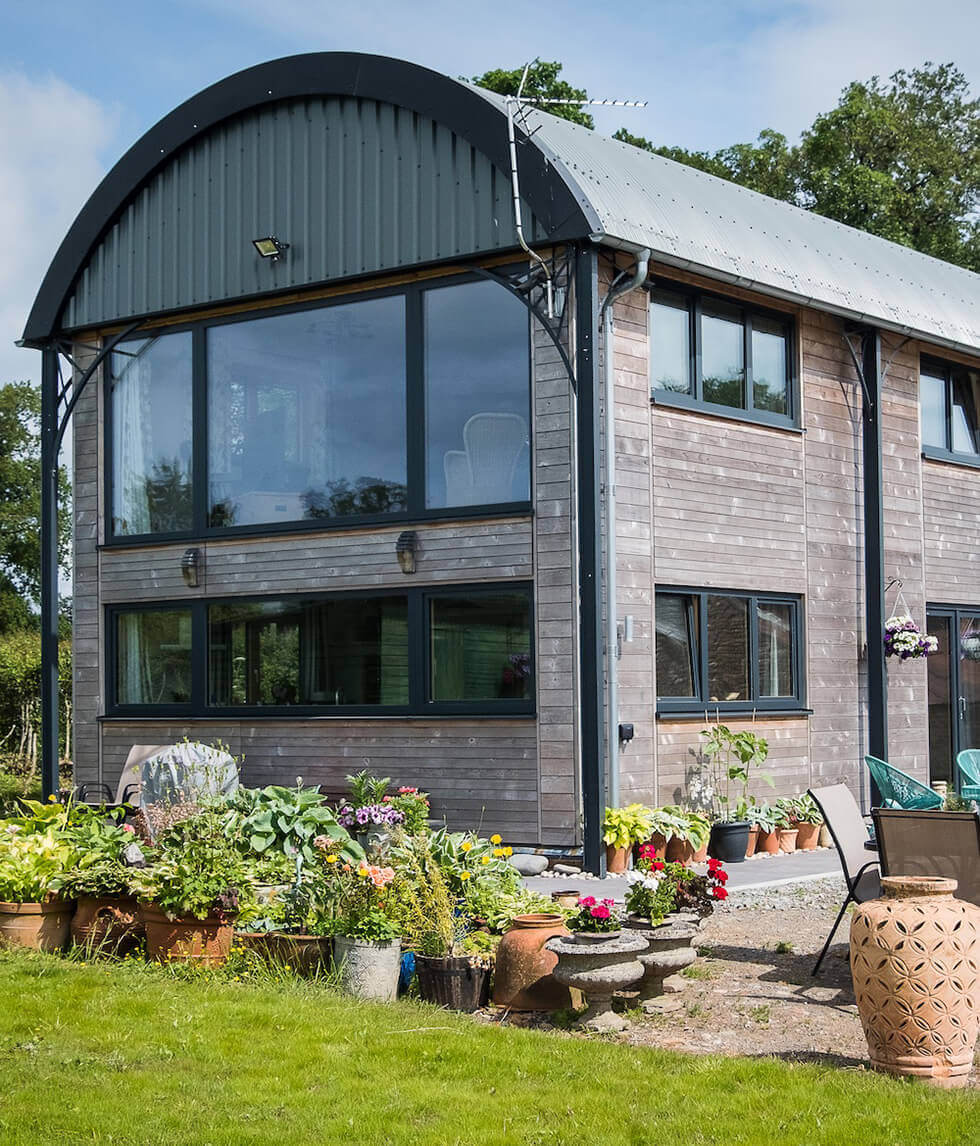
British Western Red Cedar Cladding
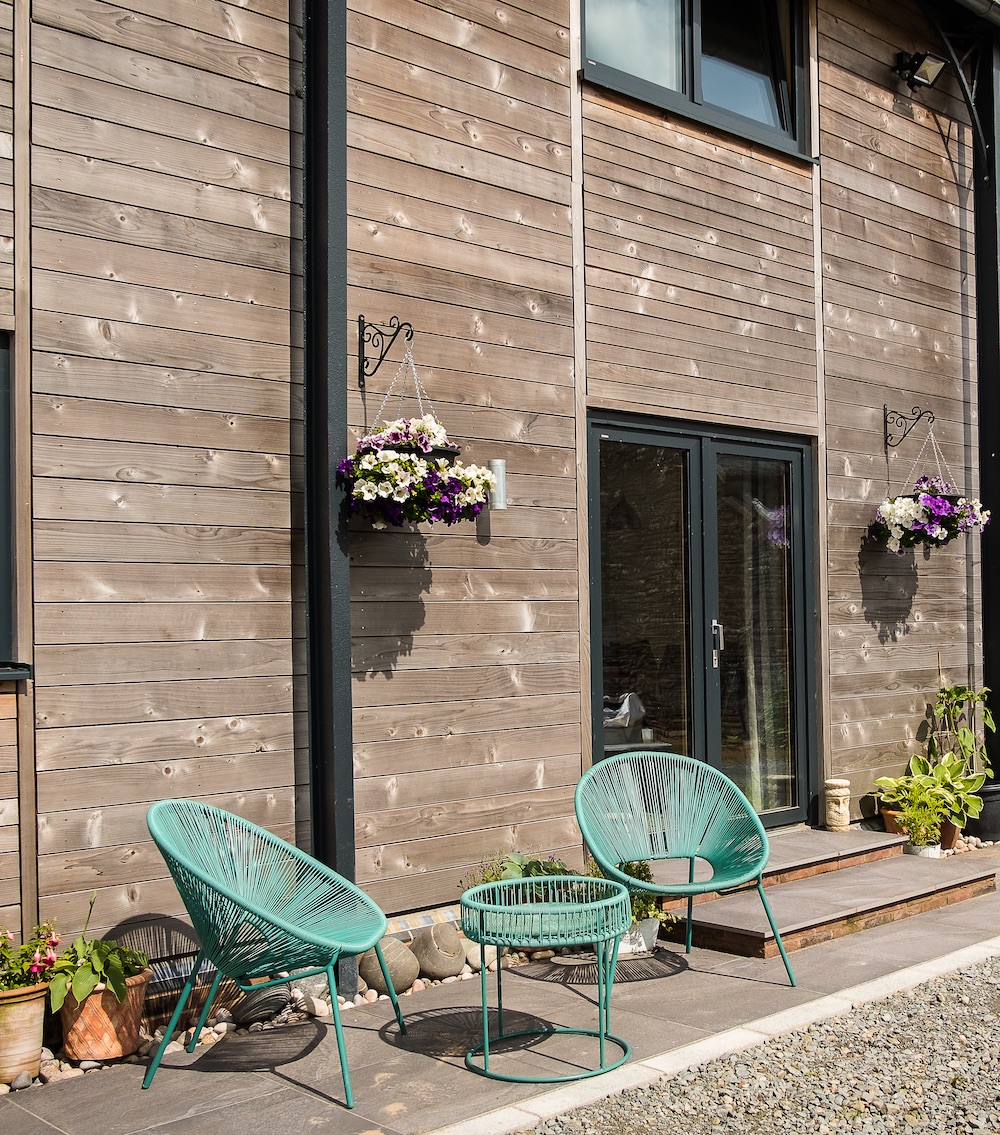
British Western Red Cedar Cladding
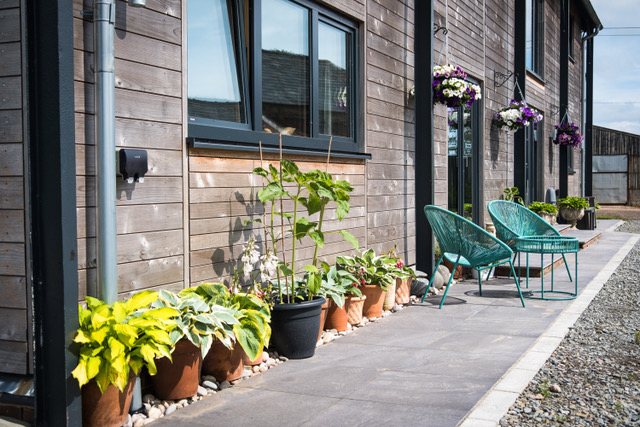
British Western Red Cedar Cladding
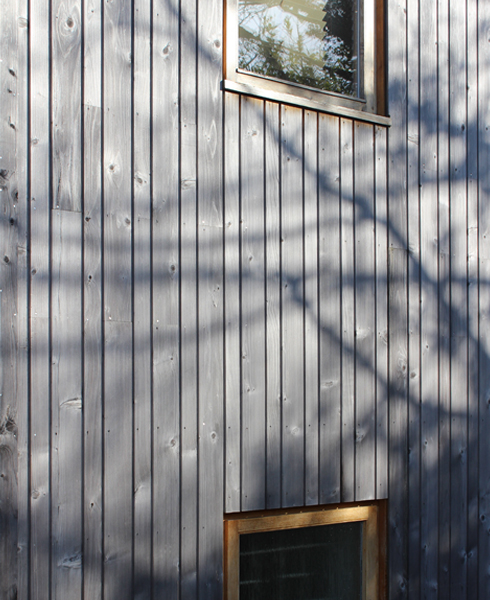
British Western Red Cedar Cladding
British Western Red Cedar Cladding Features
British western red cedar cladding offers a compelling, locally grown alternative to imported material. While much of the cedar used in the UK comes from Canada, the species thrives in British woodlands, producing a excellent timber that is well suited to external use.
Naturally durable and dimensionally stable, British cedar performs exceptionally well as cladding. It resists movement in service and stands up to the demands of the British climate, making it a reliable and long-lasting choice.
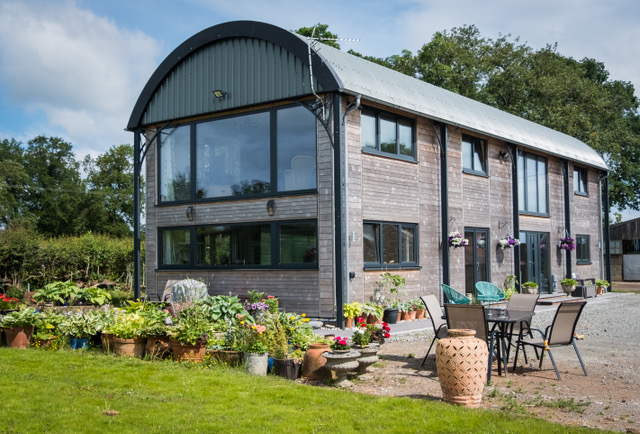
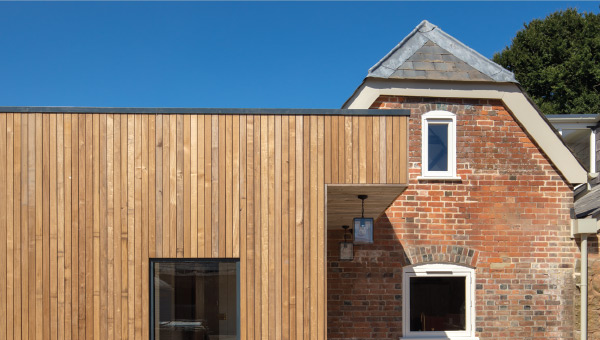
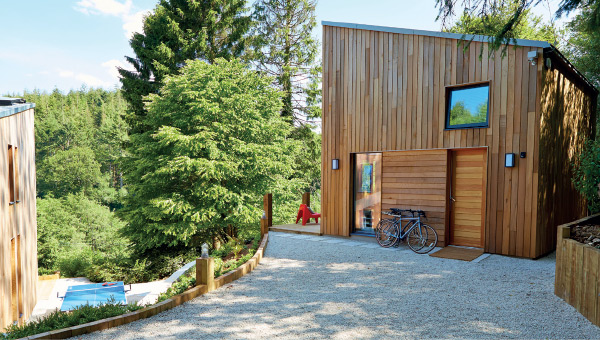
Visually, British cedar tends to have a more characterful appearance, with a higher proportion of sound knots that add texture and interest without compromising performance. It’s a look that suits both contemporary and more traditional designs.
Choosing British-grown cedar is also a cost-effective option, while significantly reducing the environmental impact associated with importing timber from overseas.
Sourced from well-managed forests here in the UK, British cedar supports local forestry and keeps supply chains close to home. Compared to Canadian cedar, it offers similar levels of performance, with the added benefits of provenance, value and reduced carbon footprint.
For a comparison between British and Canadian grown western red cedar watch our video.
Call us to discuss your timber cladding project
British western red cedar cladding specification

British western red Cedar Cladding from Vastern Timber
- British western red cedar
- Thuja plicata
- Sourced from legal and well-managed forests in England and Wales.
- Supplied by Vastern Timber (sales@vastern.co.uk)
- Grade : BS1186-3 1990 Class 3 / EN942:2007 J50 (Knotty)
- Finished thickness of 20mm
- Overall finished widths 70mm / 95mm / 145mm
- Random lengths 1.8mt – 3.6mt, allowing small % down to 1.5mt
- Available in various profiles
- Moisture content of 16 – 20%
- Durability EN350-2 Moderately Durable. Class 3
- Supplied uncoated. No treatment required.
Click here for NBS style content
Characteristics of British western red cedar
Appearance
British western red cedar has a pink to amber heartwood with a creamy sap band. The wood contains frequent dark knots. The colouring of British cedar is paler, but more consistent than its Canadian cousin.
Weathering
When left untreated, cedar will bleach to a silver patina. Because of its relative consistency, British cedar cladding weathers more evenly than Canadian cedar. Northerly elevations may weather to a darker grey than those facing South
Desired service life
Occasionally wet 30 yrs. Frequently wet 15 yrs.
Movement class
Small
Resistance to impact
Low
Working properties
Good workability. Takes fixings satisfactorily. The wood is soft and relatively brittle which can result in bruising and splintering. Pre-drilling necessary is recommended.
Density
330 – 390 Kg / m3
Extractives
Western red cedar contains reactive oils, which will corrode ferrous metals. All fixings used in conjunction with western red cedar should be stainless steel. The brown oil can leave unsightly brown stains on the surface of the cladding and will stain any porous materials below the cladding. The reactivity of the oil makes western red cedar cladding unsuitable for polluted areas.
Installation of red cedar cladding
How to fix western red cedar cladding
Pre-drill and fix boards with stainless steel nails or trim head screws through the face or through the tongue of suitable profiles. Pilot drill to avoid splitting the wood.
Create a 2mm expansion gap between following boards.
For more information, visit the resource centre
Recommended battens for cedar cladding
Profiled Thermowood or treated softwood battens are recommended for use behind cedar cladding.
The minimum thickness of primary battens should be 40mm. Horizontal battens to have an angled top face to shed water.
Find out more about our Thermowood batten system
Batten spacing for external timber cladding
400 – 500mm
Fixings for western red cedar cladding
Only use stainless steel fixings for external cladding.
For fixing red cedar cladding we recommend 50mm ring shank nails or trim head screws for face fixing and 40mm for hidden fixing through the tongue.
When to fix western red cedar cladding
Red cedar is a relatively stable timber and can be installed year round.
Resistance to fixing
Medium.
British western red cedar cladding profiles
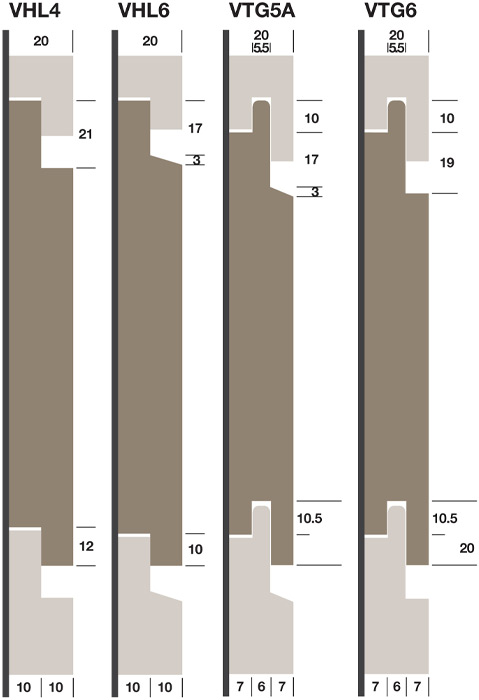
We machine timber cladding to the profile of your choice. View our full range of cladding profiles
We recommend the following profiles for British cedar.
Disclaimer
While the utmost care has been taken to provide accurate information, Vastern Timber shall not be held responsible for any consequences arising from any errors or omissions on this website nor for any damages resulting from the use of the information.

Contact Form
Download Guide


Sign up for our monthly newsletter of timber news, with inspiring case studies and specially selected stories from the wonderful world of trees and woodlands.
Request a quote
Request a sample
The content of this website is © Vastern Timber Limited unless otherwise stated