
February 2026 News from the Sawmill
Welcome to our February Newsletter
The right tree for the job.
The right timber for the job.
Those decisions don’t start when you order cladding or flooring. They start decades earlier – in the woodland.
What gets planted.
What gets managed.
What gets valued.
This month we’re stepping back to look at the full chain.
From oak genetics.
To the uncomfortable truth about how much of every log is lost.
To the choices that decide whether a solid wood floor performs beautifully for decades – or quietly causes problems.
Good timber isn’t luck. It’s judgement. Applied early.
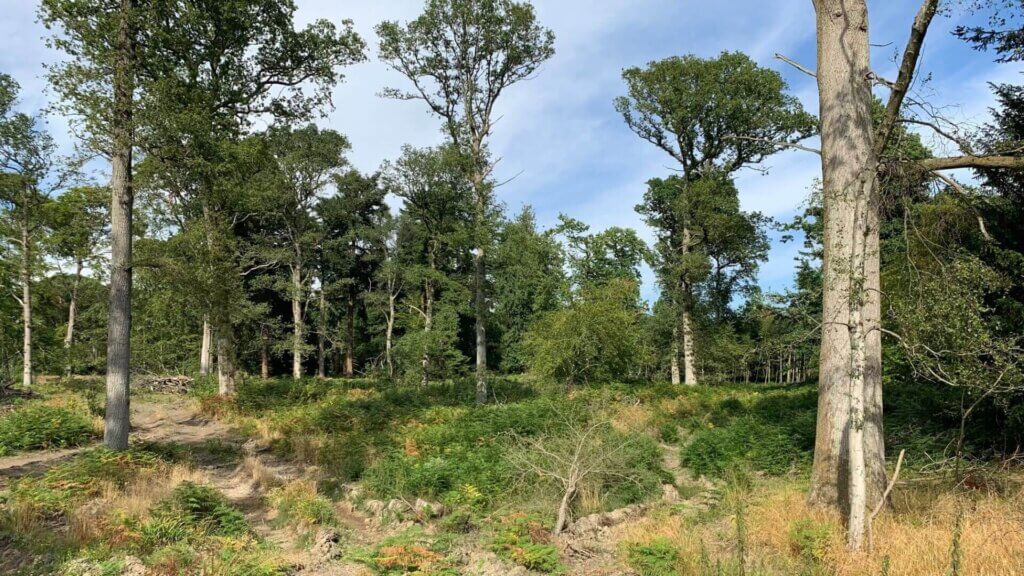
Future Trees Trust Breeding Programme
We talk about choosing the right timber. But what if that decision was made 80 years ago? Oak quality doesn’t start in the sawmill. It starts in the gene pool. Growth and form are shaped decades before we cut a board.
In his final year of PhD research, Eamonn Cooper is studying this. If you care about where British oak is heading – this is worth two minutes.
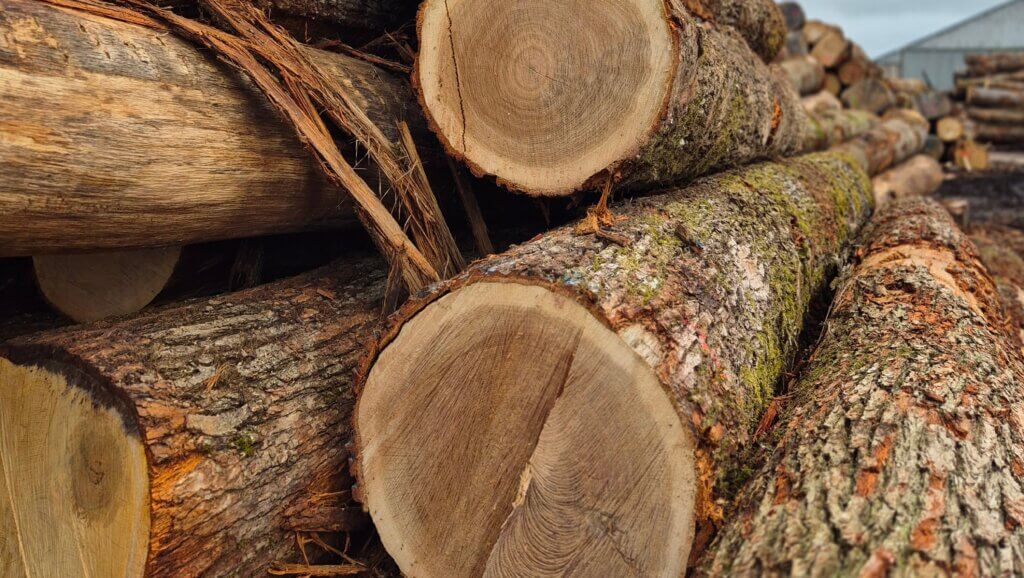
The Shocking Truth About Timber
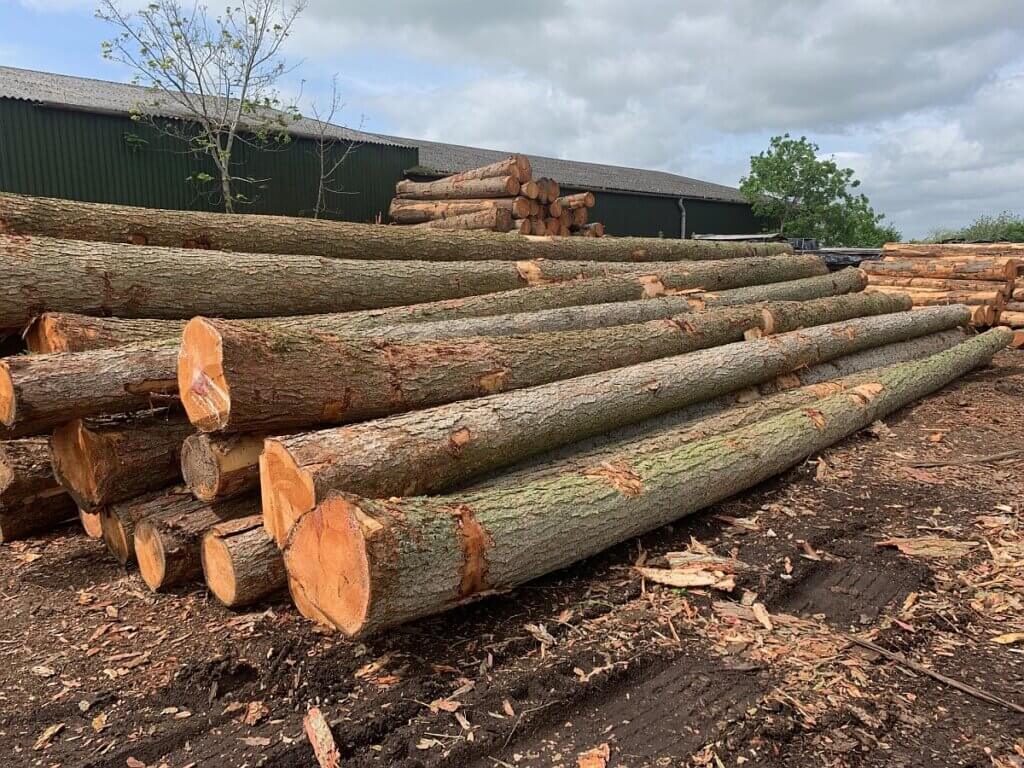
Most people think a log becomes boards. Simple.
It doesn’t.
Around 70% of every log never becomes flooring, cladding or beams. Not through carelessness, but because trees aren’t straight and specifications demand they are.
If you’ve ever wondered what really happens between woodland and finished product, and why so much never makes it that far, this is the honest version.
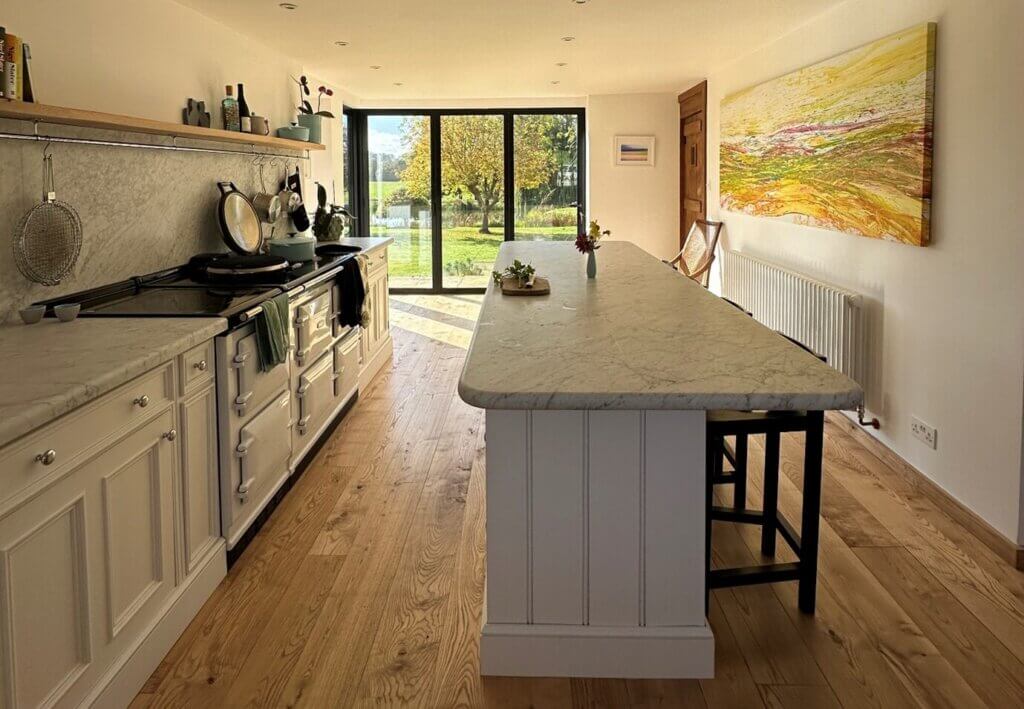
Solid Wood Flooring: What to Know
A good hardwood floor does its job quietly.
A bad one makes itself known.
Gaps. Movement. Doors that suddenly won’t shut. Most of the time, it isn’t the timber. It’s the decisions made before installation.
If you’re weighing up solid versus engineered and you want to get it right first time, start here.
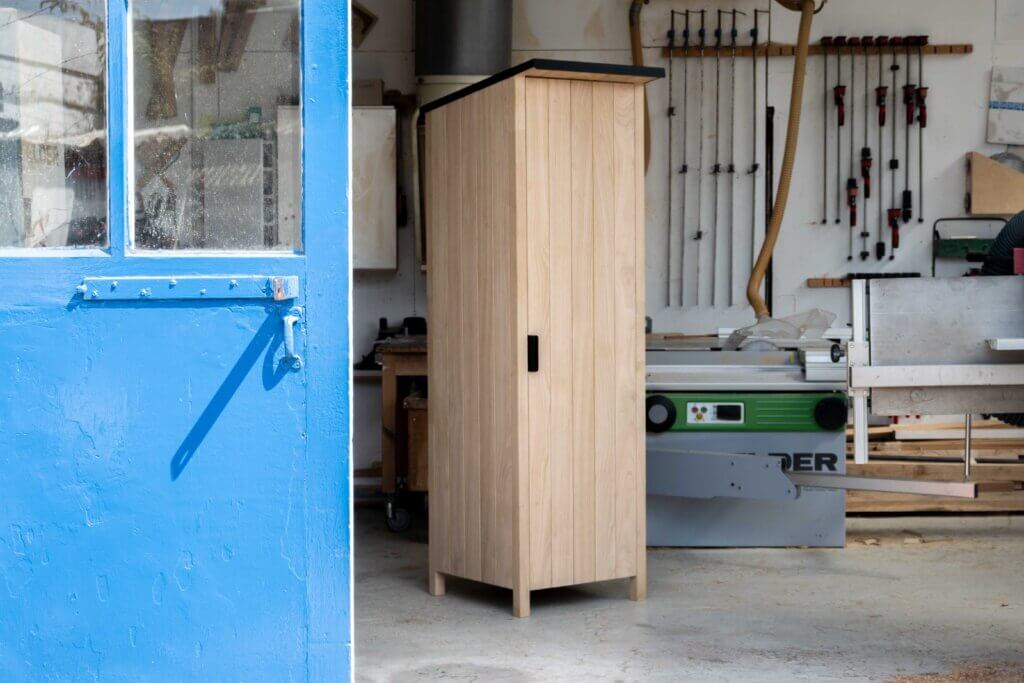
Case Study: A small garden story, told in sweet chestnut
Not every project needs to be large to matter.
This simple garden shed is clad in British-grown sweet chestnut. No treatments. No coatings. Just a naturally durable hardwood chosen for the job.
Chestnut performs well outdoors. It weathers down to a soft silver. And it proves that good timber decisions aren’t about scale, they’re about suitability.
If this was useful, pass it on.
Forward it to a colleague. Share it with someone planning a build. Send it to the person who always asks the awkward timber questions.
The right decisions spread the same way good ideas do.