
Go Dark. Stand Out. Last Longer.
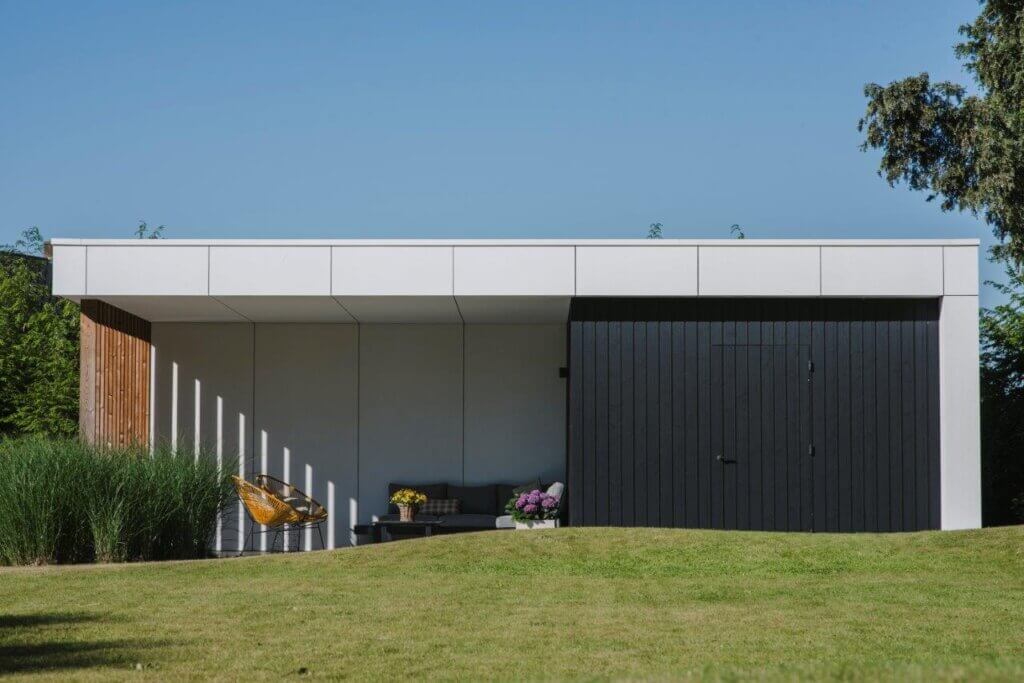
There’s a moment in every building project where you have a choice. Play it safe. Or do something that makes people stop and look.
Black timber cladding is that choice.
It’s not new. Farmers in the Low Countries were tarring their barns black for centuries; protection first, beauty second. Japanese craftspeople were charring timber with fire, a technique called Shou Sugi Ban, to seal the grain and ward off rot. The colour wasn’t aesthetic in origin. It was practical. It was honest. And it turned out to be extraordinarily beautiful.
Now it’s becoming popular in contemporary architecture and for good reason.

Why black cladding works
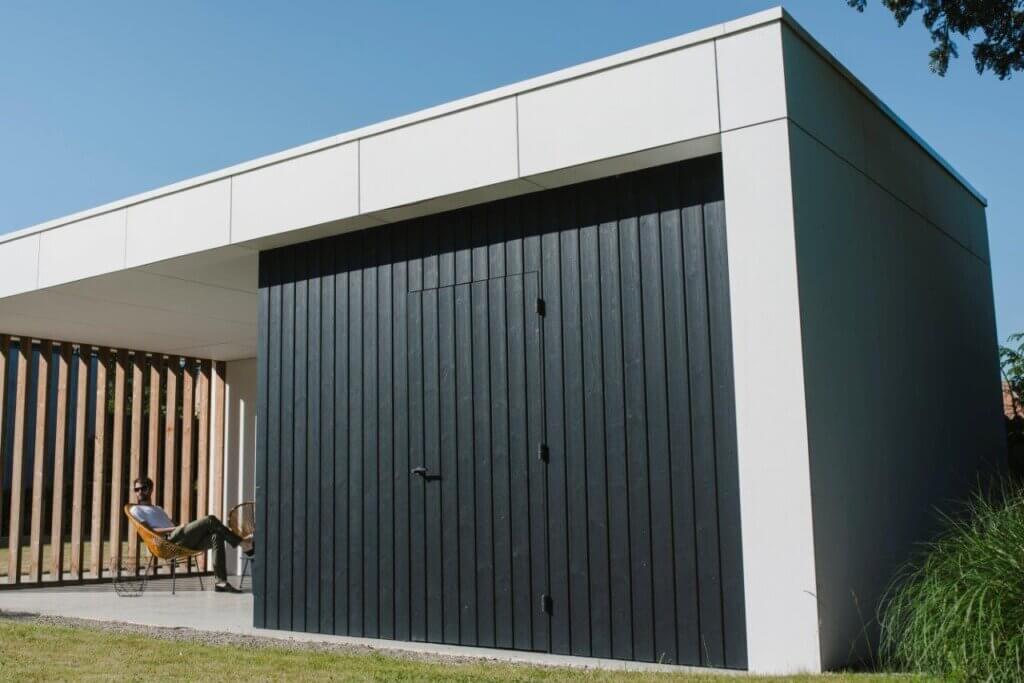
Black doesn’t compete with its surroundings. It yields to them. A black-clad building in a green landscape doesn’t dominate the scene, it frames it. The trees become more vivid. The sky reads differently. The building recedes, and somehow, paradoxically, becomes more dramatic for doing so.
It adds depth to texture. Run your eye across black timber boards in afternoon light and you’ll see the grain in ways you never would with a pale finish. Every knot, every ridge, every saw mark becomes a feature. The material does the talking.
And it creates contrast. Paired with white render, natural oak, stone, or glass, black timber has a clarity and confidence that lighter finishes rarely achieve. It says: we made a decision here. We meant it.
What to look for
Not all black cladding is equal. Traditional charring weathers, fades, and needs maintenance. The finish you choose matters as much as the colour.
The best black timber cladding today uses factory-applied opaque coatings on thermally modified wood. The thermal modification process (heat-treating the timber at high temperature without any chemicals) changes the wood at a cellular level. It becomes more stable, more durable, less prone to the swelling and shrinking that causes paint to fail. The result is a factory finish that holds its colour for years, with a maintenance interval measured in decades rather than seasons.
Water-based paints matter here too. Better for the environment. Better for the wood.
The practical questions
Dark colours absorb heat. That’s real physics, and it matters in exposed orientations. Thermally modified timber handles it well as the modification reduces the movement that heat causes but it’s worth considering profile and orientation at the specification stage.
Think about texture too. A brushed or roughened surface handles natural wear differently to a smooth face. It wears in rather than wearing out.
The real point
Most buildings look like most other buildings. Safe materials. Expected colours. Forgettable facades.
Black timber cladding is a reminder that buildings can have a point of view. That the outside of a building can say something honest about the people inside it.
Bold. Rooted in tradition. Built to last.
Want to explore black cladding for your project? Check out our Black Coated Thermowood Cladding or Get in touch.