
The kiln took eighteen months. Eleven of those happened before anyone lifted a tool.
May 29, 2026
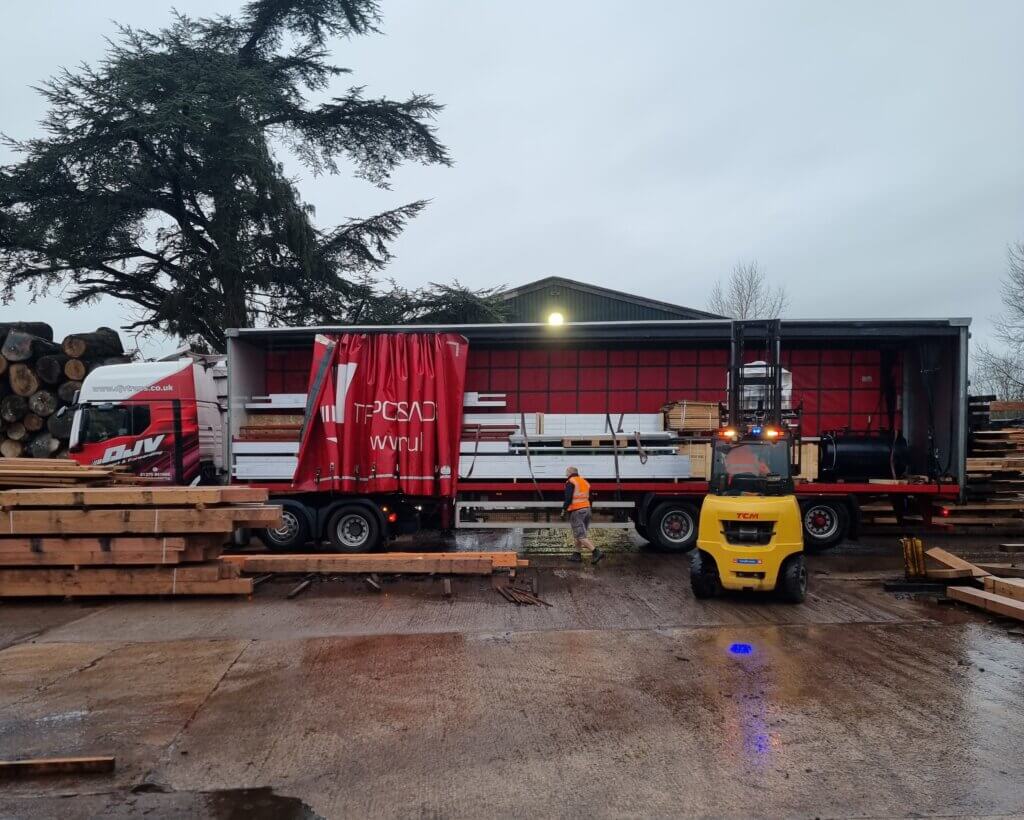
Planning applications do not move quickly. Ours sat with the council for four and a half months before approval came through. The kiln was ordered the moment planning landed, but it came with a seven-month lead time. For Josh and the Studley team, who had a clear plan and were ready to build, that combined wait was the hardest part.
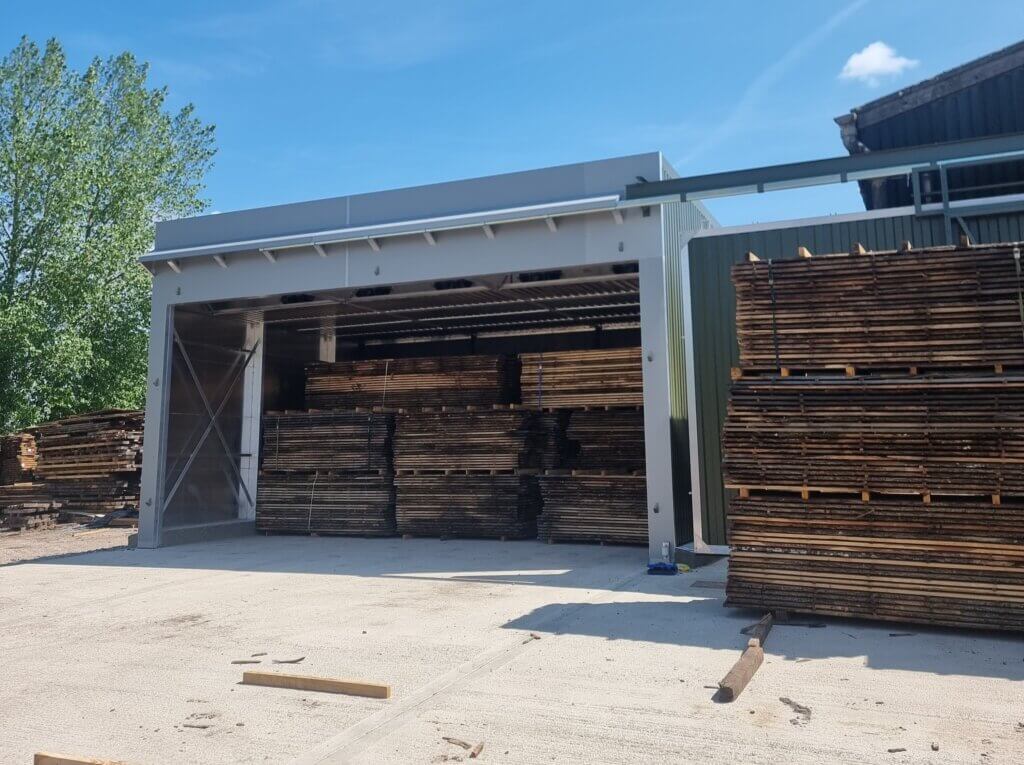
Commissioning day came in May. The doors opened. The first batch of timber went in: British ash, stacked and ready.
It worked.
Ash and poplar are the primary species running through the new kiln. Both are used in the Brimstone cladding process. Before timber enters the thermal modification plant, it needs to be at the right moisture content. Kiln drying gets it there. Drying the timber to a low moisture content also speeds up the modification process itself. Skip that step or rush it and the modification process is compromised. Get it right and the Brimstone that comes out performs exactly as it should.
The Studley site handles beams and sawn timber as well as feeding the modification plant. More drying capacity means more control over the whole operation. The team are already on their third batch.
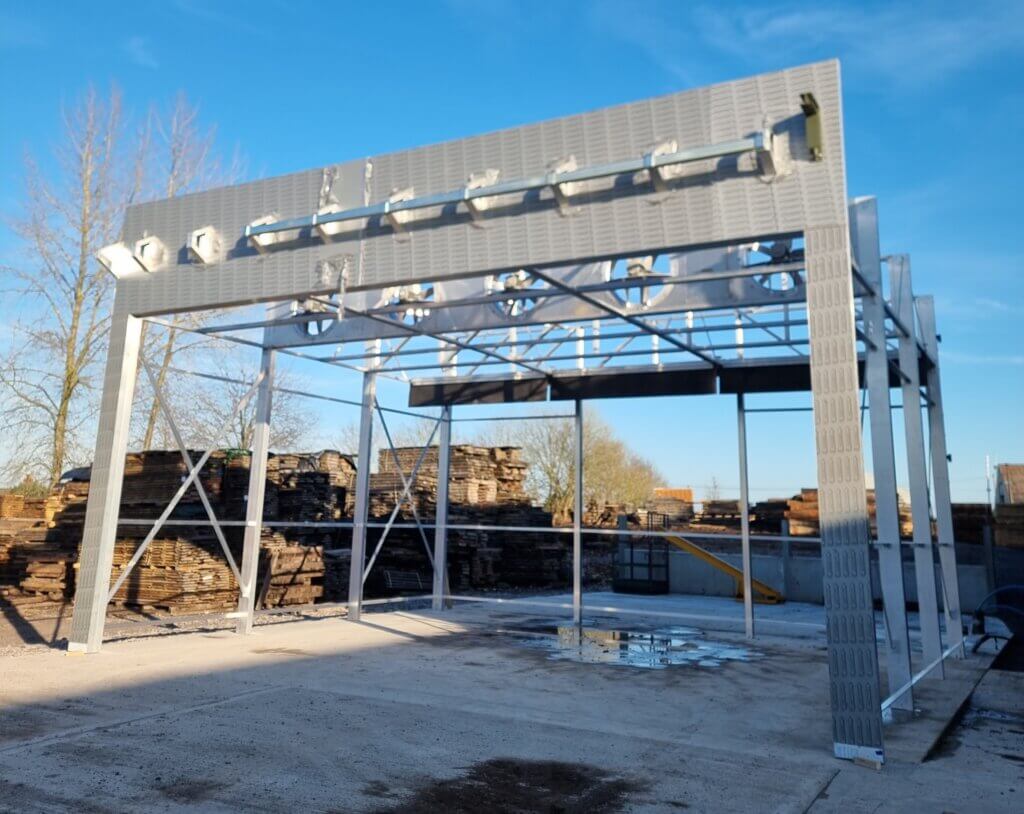
Josh Barnes, who managed the project, said: “It has been a long eighteen months. Waiting for planning was the hardest part, but once we got going, the installation came together really well. A big credit to Adam and John from Kiln Services for getting it built so quickly. Seeing the first batch of ash come out successfully was a genuinely exciting moment, and the team here at Studley are really proud of what we have achieved.”
If you want to follow what else Vastern are up to, sign up to our newsletter below.
We share updates from both sites, new product launches and news from the yard.