
Why Mixed-Width Timber Cladding Just Works
January 19, 2026
Mixed-width timber cladding is a simple specification choice that delivers practical, aesthetic and environmental benefits. Rather than forcing every board into a single fixed size, cladding is produced in a range of widths, allowing far more of each log to be used efficiently.
For anyone specifying timber cladding, whether for contemporary façades or more traditional buildings, mixed widths offer a smarter and more considered approach.
What is mixed-width timber cladding?
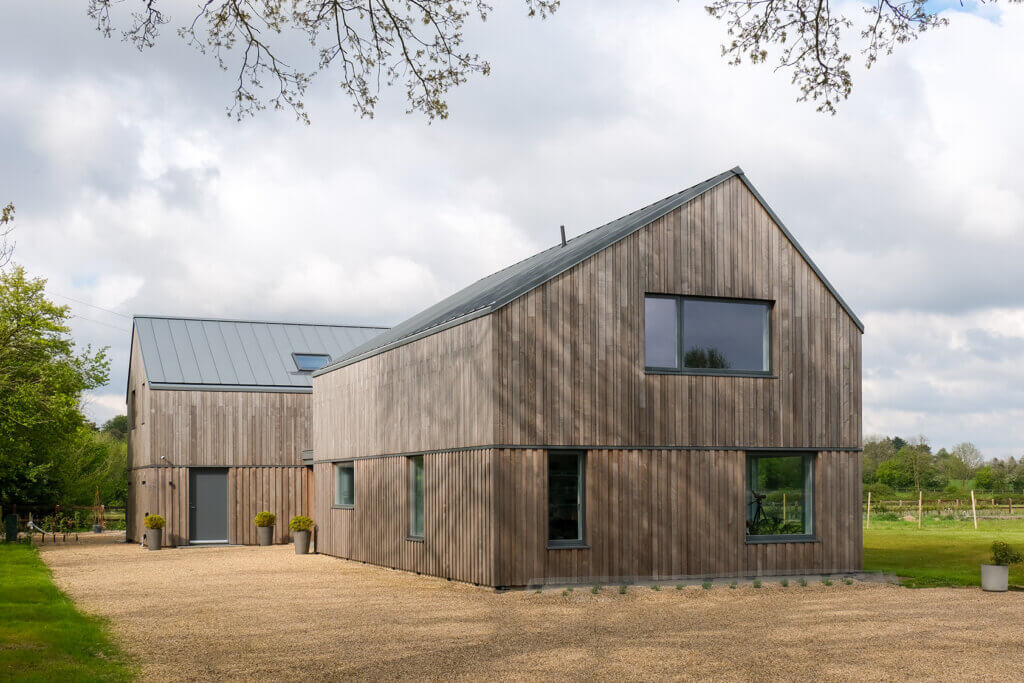
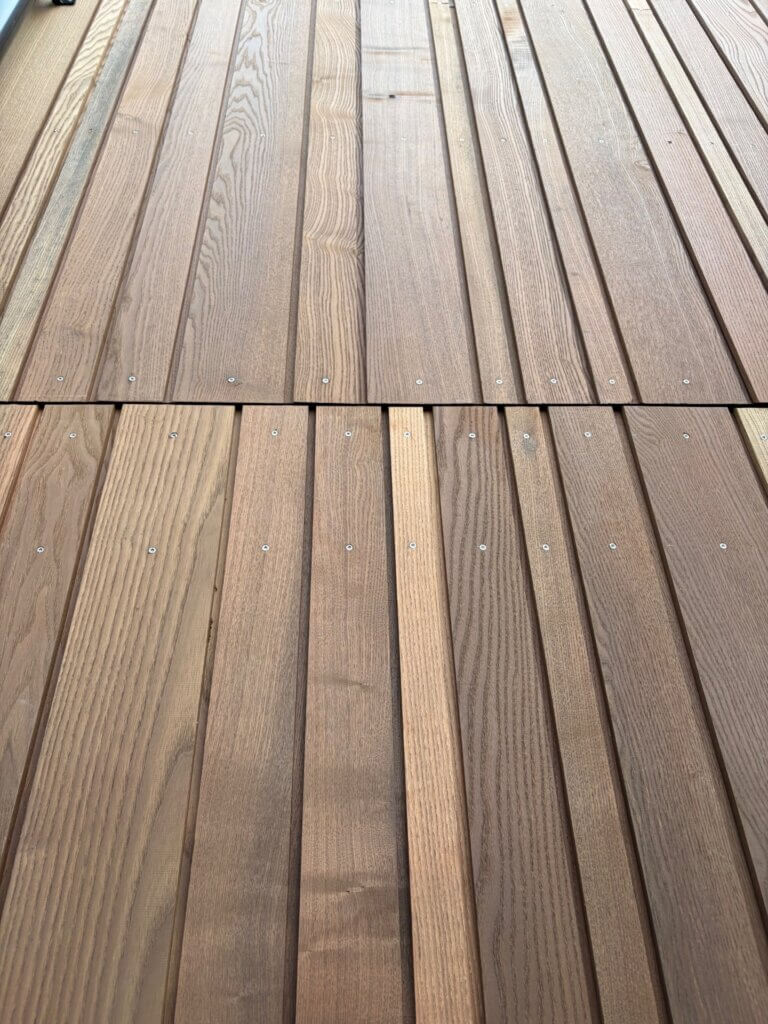
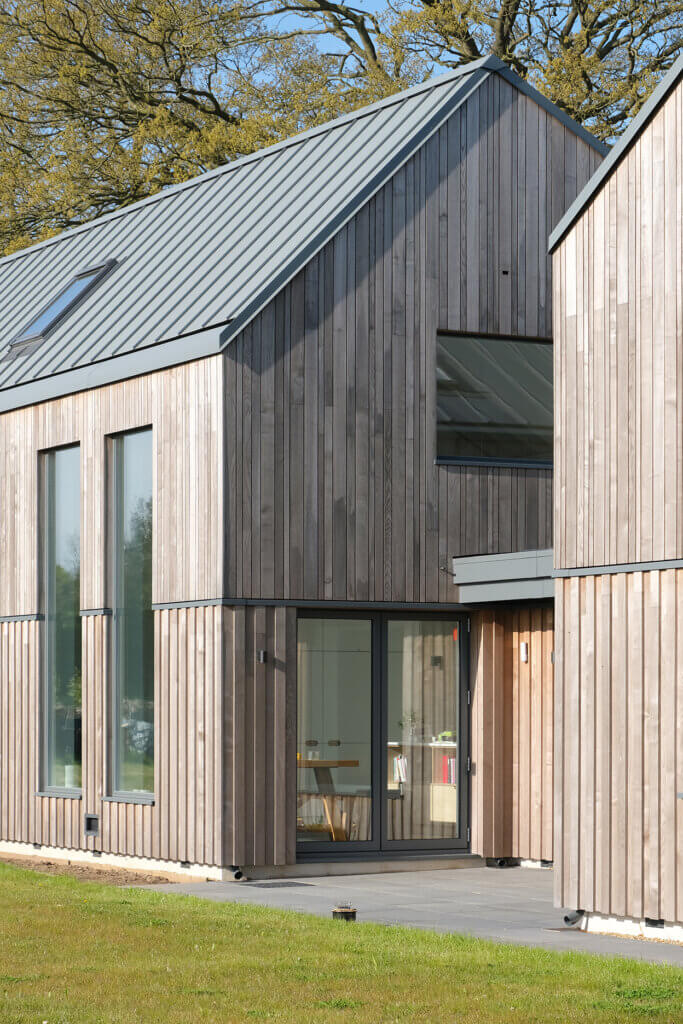
Mixed-width timber cladding uses boards of varying face widths, typically supplied within a defined range rather than one uniform dimension. The thickness and profile remain consistent, but the visual rhythm changes as the widths vary across the façade.
This approach reflects how trees actually grow. Logs naturally taper and vary in diameter, and mixed widths allow those natural variations to be respected rather than machined away.
Using more of the tree
One of the biggest advantages of mixed-width cladding is material efficiency. By allowing boards to be cut in multiple widths, a higher proportion of each log can be turned into usable cladding.
From our own machining experience with British-grown timber, mixed widths consistently improve yield and reduce waste. Boards that would otherwise be rejected or over-processed can be incorporated into the final specification, making better use of a valuable and slow-growing resource.
This makes mixed-width cladding a strong choice for projects focused on sustainability, responsible sourcing and efficient material use.
How mixed widths affect appearance
Visually, mixed-width cladding brings depth and movement to a façade. The variation subtly breaks up large elevations, avoiding the flat, repetitive appearance that uniform boards can create.
The effect is understated rather than decorative. It introduces rhythm and texture without dominating the architecture, which is why mixed widths work equally well on contemporary buildings and more traditional designs.
Used carefully, the result feels natural, calm and well-proportioned. Closer to how timber appears in the landscape rather than as a manufactured surface.
Practical advantages on site
There are also clear on-site benefits. Mixed widths make detailing around windows, doors and corners far more forgiving. Installers can often select a board that lands cleanly on an opening, rather than cutting narrow slivers or introducing unnecessary joints.
It’s a small change in specification that can make a noticeable difference during installation.
Patterned vs random layouts
Mixed-width cladding can be laid in a regular, repeating sequence or in a more relaxed, irregular arrangement. While many projects aim for a “random” look, truly random layouts are harder than they sound – most of us subconsciously fall into patterns.
One customer solved this by bringing a dice to site and rolling it each time a new board was needed, letting chance dictate the width selection. The result was a genuinely varied, natural façade with no visible repetition.
It’s a simple reminder that mixed widths work best when some thought is given to layout during installation, not just board size.
Choosing the right timber
Material choice still matters. Stability, durability and consistency are critical, particularly where mixed widths are used to create a refined façade.
Thermally modified timber, for example, offers improved dimensional stability and durability throughout the section, making it well suited to mixed-width cladding where boards need to stay straight and true over time.
A smarter way to specify timber cladding
Mixed-width timber cladding isn’t about visual impact alone. It’s about using more of the tree, simplifying installation, and achieving a façade that feels balanced, natural and well resolved.
When board selection, layout and support systems are considered together, mixed widths become an easy, practical choice that benefits designers, installers and the material itself.
View the beautiful Low Meadow case study for practical use of mixed width cladding.