

UK Forestry Faces a Growing Skills Gap – and the Industry Is Racing to Respond
December 5, 2025
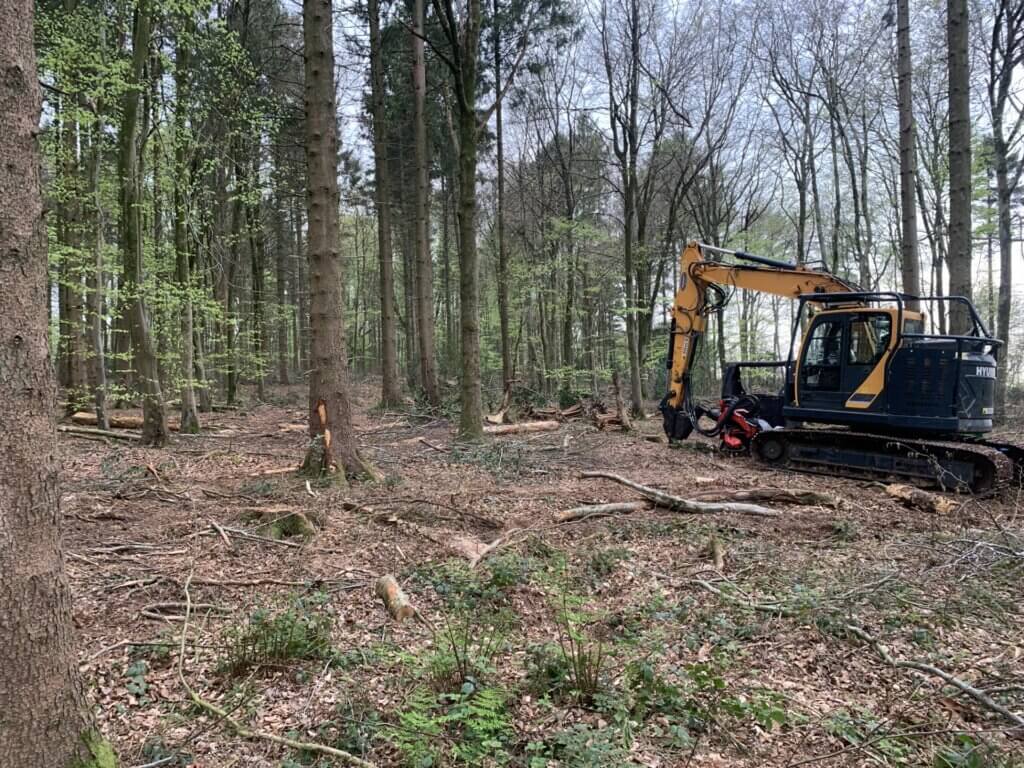
The UK forestry and timber sector is dealing with a serious workforce shortage. That was the clear message at the CONFOR Policy Conference, where leaders warned that retirements, limited training routes and a lack of new entrants are putting pressure on the entire supply chain.
A workforce under strain
Fewer trained foresters, machine operators and woodland managers means fewer productive woodlands, and less British-grown timber. It’s becoming a bottleneck just as demand for home-grown, lower-carbon materials increases.
Industry and government step in
The skills gap isn’t being ignored. Support now includes:
- new and expanded forestry apprenticeships
- funding for training providers and forestry colleges
- woodland creation incentives
- national efforts to raise awareness of land-based careers
But the strongest progress is coming from industry-led programmes already training new entrants.
Where the real skills work is happening
Green Skills Training Academy
The Green Skills Training Academy brings its trainees to Vastern Timber each year for practical, hands-on experience at a working sawmill. The sessions give students a real look at how British-grown timber is processed, graded and prepared for use. It’s a valuable bridge between classroom learning and the day-to-day reality of the timber supply chain, something most trainees wouldn’t otherwise get to see.
Forestry Skills Forum
The Forestry Skills Forum brings together employers, training providers, government bodies and industry groups to coordinate action. Instead of everyone working separately, the forum tackles shared challenges: training capacity, funding gaps, clearer career pathways and improving diversity across the sector.
Career paths for veterans
There’s increasing momentum behind programmes designed to help military leavers transition into forestry. Their existing skills; machinery operation, teamwork, problem-solving and outdoor capability transfer well into woodland management and estate work. Several schemes now offer training bursaries, structured retraining and pathways into long-term forestry roles.
Maydencroft’s role
Maydencroft is one of the companies taking a proactive approach to the skills shortage. Their apprenticeship and trainee schemes place new entrants straight into practical land-based roles; estate management, arboriculture, woodland operations, all with clear progression routes. It’s a strong model for how private companies can help build the workforce the sector needs.
Why this matters for timber
For Vastern Timber, the supply of skilled people directly affects the volume and quality of British-grown wood coming through the system. More foresters, planters and woodland managers mean more well-managed woodlands, which in turn means more available timber.
It also ties into the bigger carbon picture. Using home-grown timber locks carbon into long-life buildings and reduces reliance on more carbon-intensive materials.
Thinking about a forestry career?
The industry needs new people, so here are a selection of good places to begin:
- CONFOR Jobs Board
- Forestry England apprenticeships
- Lantra forestry and arboriculture training
- National School of Forestry (University of Cumbria)
- Institute of Chartered Foresters — routes into the profession
- Green Skills Training Academy — land-based skills and industry placements
- Maydencroft apprenticeships & traineeships
- Veterans’ transition programmes into land-based careers
The UK can’t expand woodland creation, boost home-grown timber production or hit its climate targets without people. The skills gap is real but industry and training partners are building the routes needed to bring new entrants in. For anyone thinking about their next move, forestry is wide open.