

Understanding Oak Genetic Diversity in the Future Trees Trust Breeding Programme
As interest grows in expanding broadleaf woodlands across Britain and Ireland, the question of seed origin and quality has become increasingly important. This is particularly true for pedunculate oak (Quercus robur) and sessile oak (Quercus petraea), two species central to both biodiversity and high-quality timber production. Vastern Timber is proud to be sponsoring, through the Future Trees Trust (FTT), Eamonn Cooper’s final year of PhD research. We believe these trials, and his work, make a vital contribution to ensuring the UK has healthy, vigorous and well-adapted oak seed stock for the future.
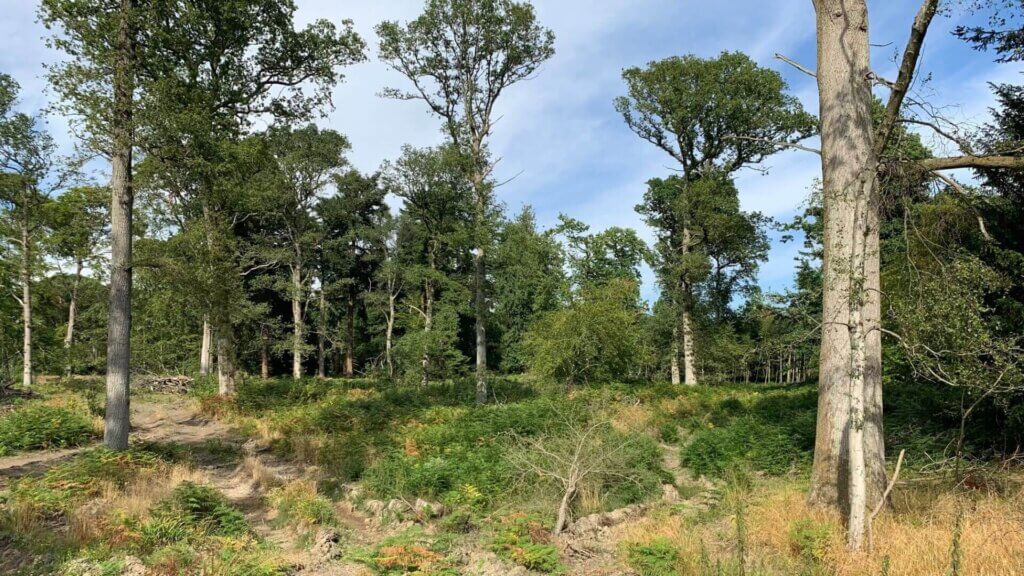
Since the late 1980s, Future Trees Trust and Ireland’s Forest Genetic Resource Trust have selected “plus trees”; individuals showing exceptional form, vigour and health from semi-natural woodlands. These trees were grafted into archival collections and used to establish progeny trials, where acorns from selected parents were grown and assessed. The aim was to combine improved timber traits with sufficient genetic diversity to ensure long-term adaptability.
Eamonn’s research used genomic analysis to test whether these trials had delivered on that ambition.
The findings were largely reassuring. Most families showed the expected genetic relationships, suggesting that collection and propagation methods were effective. Some issues were identified, including minor family mixing during acorn collection, a few mislabelled individuals, and several archived parents that did not genetically match their supposed offspring. In two cases, Dutch material could not be traced to retained parent trees. Importantly, these problems can now be corrected using genetic verification.

Eamonn collecting leaves for DNA testing
Encouragingly, overall genetic diversity in the breeding population was comparable to natural oak stands in Britain and Ireland. The mixed planting design of the progeny trials appears to have promoted healthy pollen exchange and reduced inbreeding.
This research underlines the importance of integrating genomic tools into modern tree breeding ensuring improvement programmes deliver not just better timber, but resilient forests fit for future environmental change.