
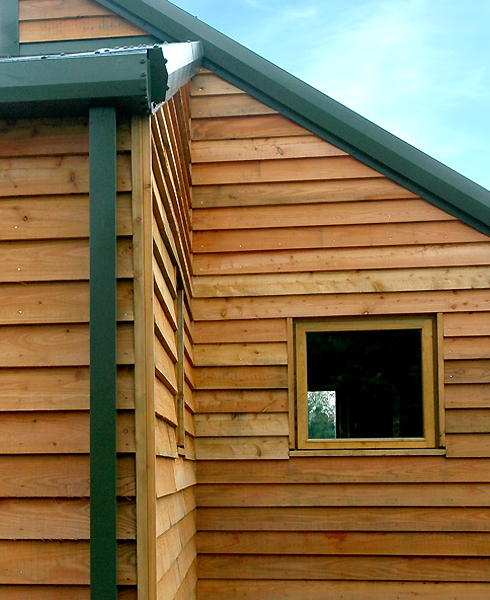
Feather-edge Cladding
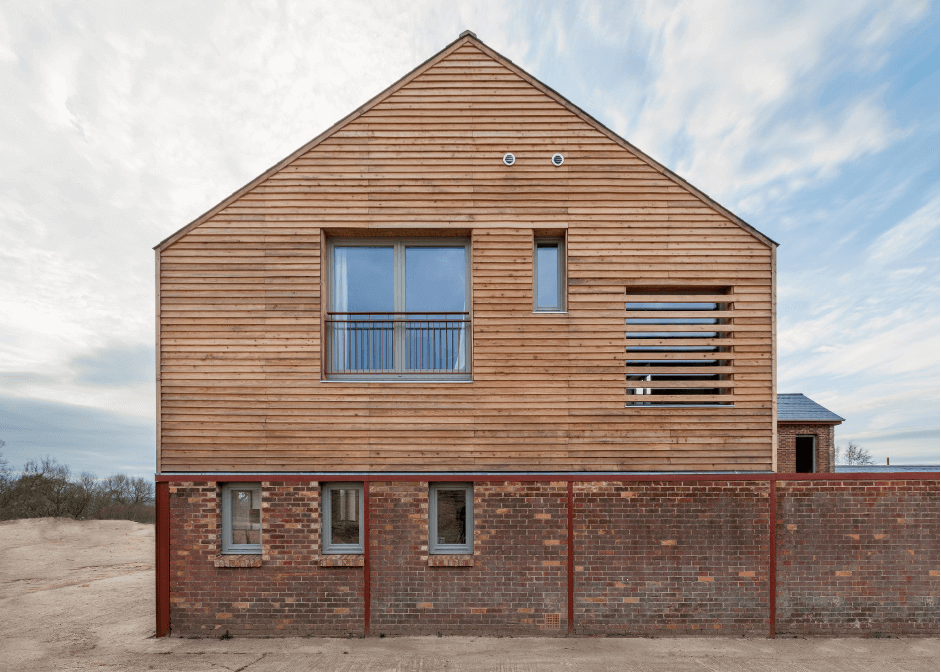
Feather-edge cladding is a traditional style of external timber cladding favoured for barn conversions and oak framed buildings. The most common species used are larch, western red cedar and oak.
Code
VFE
Style
Rustic / Traditional
Species
British Larch / Douglas Fir, Oak and Western Red Cedar
Orientation
Horizontal
Feather-edge Cladding
Feather-edge Cladding
Feather-edge Cladding
Feather-edge Cladding
What is Feather Edge Cladding?
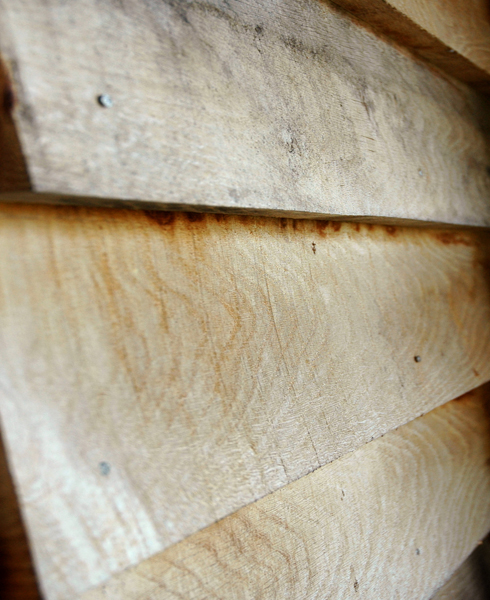
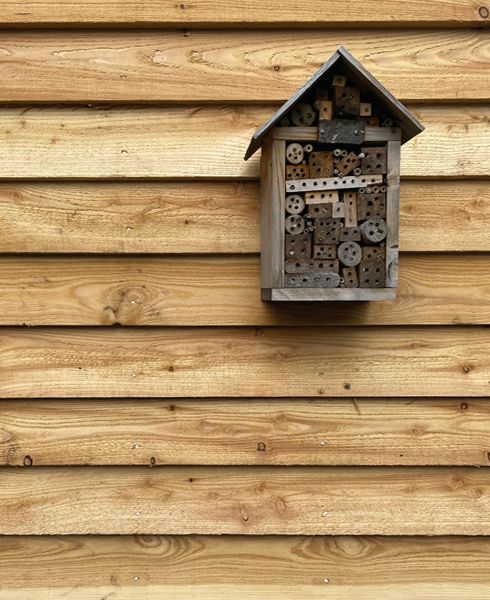
Feather-edge cladding is a classic timber cladding style, formed from tapered boards that overlap to create a clean, shadowed façade. It offers a timeless look that sits comfortably across a wide range of buildings, from rural barns and cottages to contemporary extensions and garden rooms.
Each board is sawn with straight, clean edges and a gentle taper across its width, allowing the boards to lap neatly when fixed horizontally. The result is a simple but effective weathering detail, combined with a crisp, ordered appearance that feels traditional without being overly rustic.
All of our feather-edge boards are cut in our sawmills in Wiltshire, giving us close control over quality and consistency. The boards are typically supplied green (fresh sawn), making them a cost-effective and practical choice for many cladding projects.
Feather-edge cladding works particularly well in species such as British larch, Douglas fir, British western red cedar and oak. Each brings its own character, but all are well suited to this straightforward, durable and visually appealing cladding style.
Call us to discuss your timber cladding project
Specification

Feather-edge Cladding from Vastern Timber
Supplied by Vastern Timber sales@vastern.co.uk
- VFE1, VFE2
- Thickness of 4 – 18mm or 6 – 23mm
- Widths of 150mm / 175mm / 200mm / 225mm
- Random lengths 1.8mt – 3.5mt+
- Available in various species
- Supplied uncoated. No treatment required.
Species
| Available in |
|


Dimensions
| Length | Random lengths from 1.8mt – 3.5mt+ depending on specie | |||||||||||||||
| Dimensions |
Availability dependent on specie |
Profiles


Installation
How to fix feather-edge cladding
Face fix only. Do not try to hide the fixings. One nail per board / batten
Begin at the bottom, ensuring that the first board is level. Use a 10mm strip behind the lower edge of the bottom board for support. Overlap subsequent boards by 40 – 50mm. It is important not to reduce the recommended overlap.
Feather-edge profiles are generally cut from green (wet) timber and will, as a result, shrink by up to 20mm as the board dries. We recommend that each board is fixed once with a nail located 10mm above the upper edge of the previous board. Some suppliers advise using two nails per board, but this does not allow for shrinkage of the board and can result in splitting.
End joining of the boards should coincide with a batten and should be staggered to ensure that consecutive boards do not joint in the same place
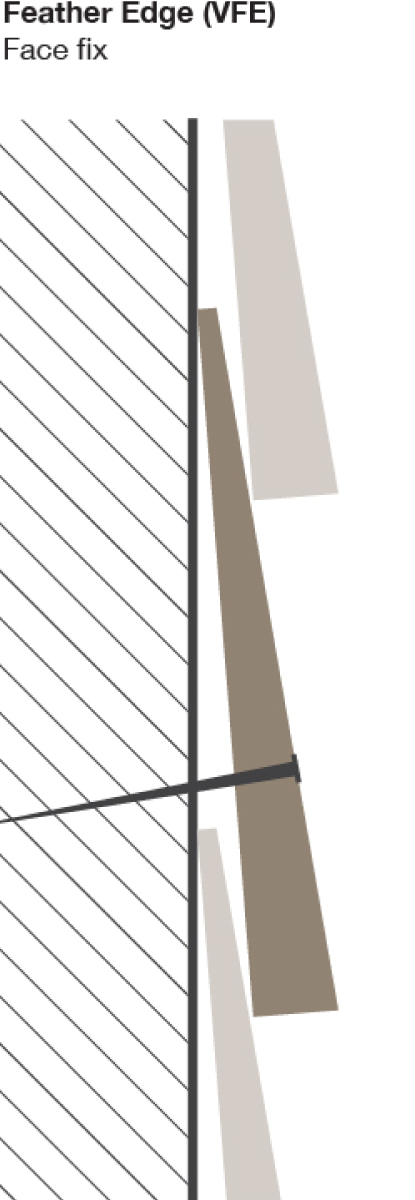
Recommended battens for feather-edge cladding
Profiled Thermowood or treated softwood battens are recommended for use behind square-edge cladding.
The minimum thickness of primary battens should be 40mm. Horizontal battens to have an angled top face to shed water.
Find out more about our Thermowood batten system
Batten spacing for external timber cladding
400 – 500mm
Fixings for sawn square-edge cladding
Only use stainless steel ringshank nails for fixing feather-edge cladding.
We recommend 50mm or 65mm for 4-18mm thick boards and 65mm or 75mm for 6-23mm thick boards
Feather-edge cladding profiles are not designed to be installed with hidden fixings.
When to fix feather-edge cladding
To avoid excessive distortion, only install Green / fresh sawn cladding during Autumn and winter months. If exposed to hot, dry conditions before or soon after fitting, square edge timber cladding is more likely to warp, cup, or split.
Other considerations
It is important to consider the potential dimensional shrinkage and movement of feather-edge cladding boards cut from green / wet timber. Depending on the species, boards may shrink by 10% (20mm for a 200mm deep board) over the first two years as the wood dries.
Disclaimer
While the utmost care has been taken to provide accurate information, Vastern Timber shall not be held responsible for any consequences arising from any errors or omissions on this website nor for any damages resulting from the use of the information.

Contact Form
Download Guide


Sign up for our monthly newsletter of timber news, with inspiring case studies and specially selected stories from the wonderful world of trees and woodlands.
Request a quote
Request a sample
The content of this website is © Vastern Timber Limited unless otherwise stated