
British Larch Cladding
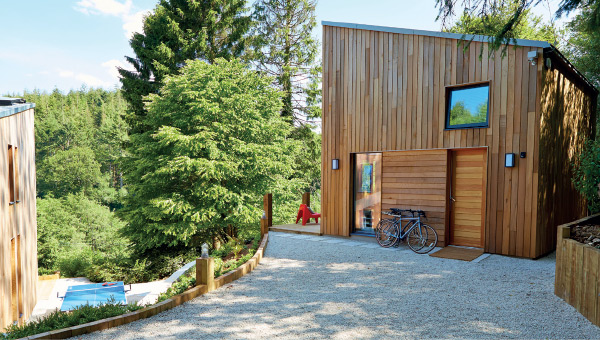
British larch cladding is a tough, naturally durable softwood grown in local woodlands and well-suited for external use in exposed areas. It is also one of the most cost-effective options for exterior timber cladding, making it ideal for projects with tighter budgets.
Style
Traditional
Profiles
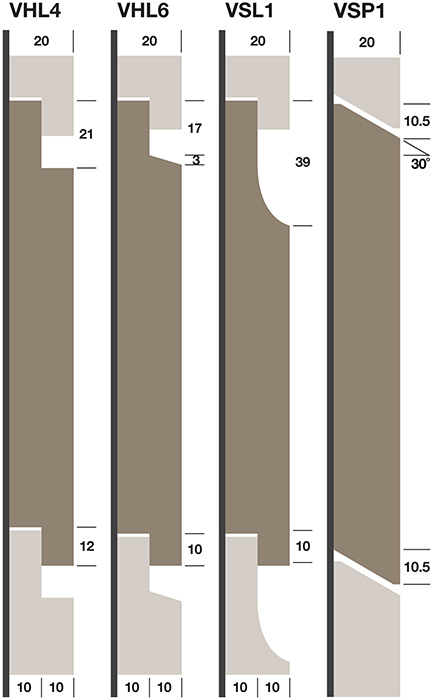
Halflap and splayed
Source
England and Wales
Beware
Instability
British Larch Cladding
British Larch Cladding
British Larch Cladding
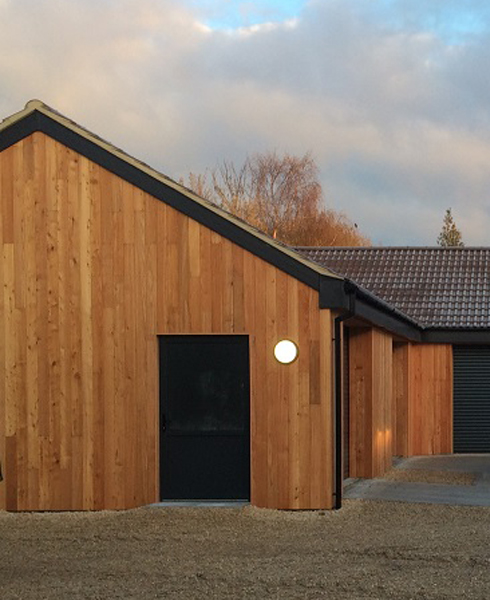
British Larch Cladding
British Larch Cladding Features
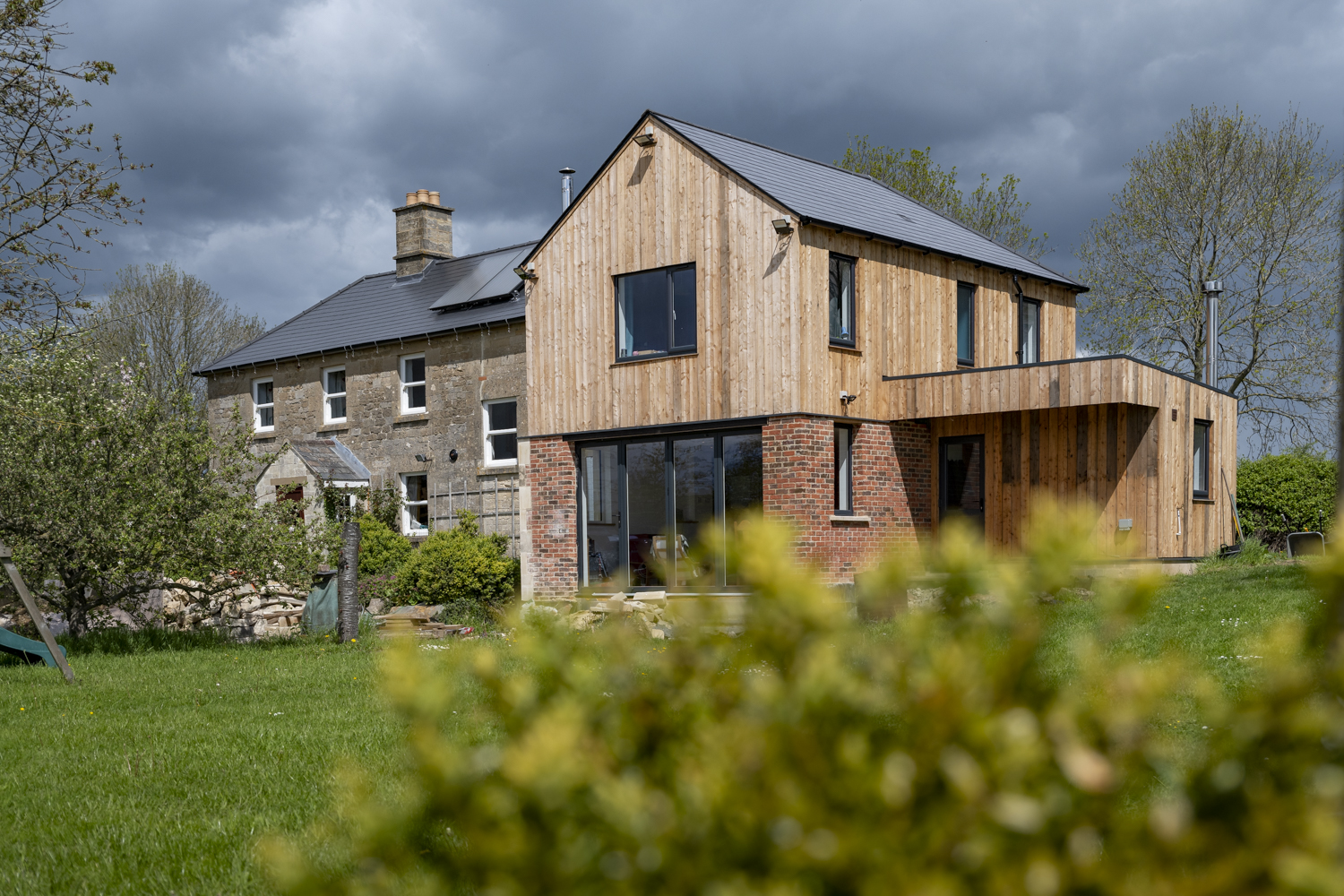
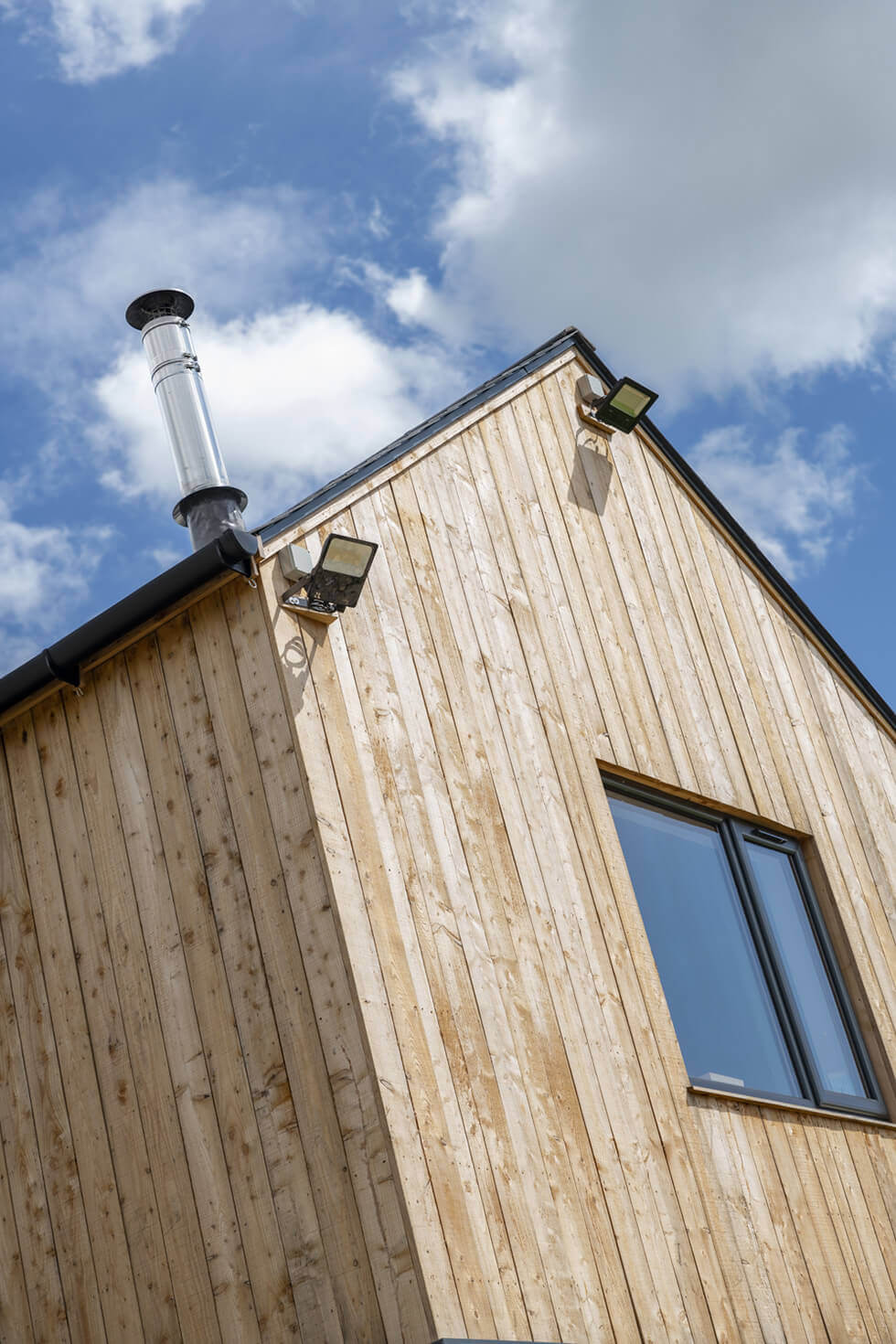
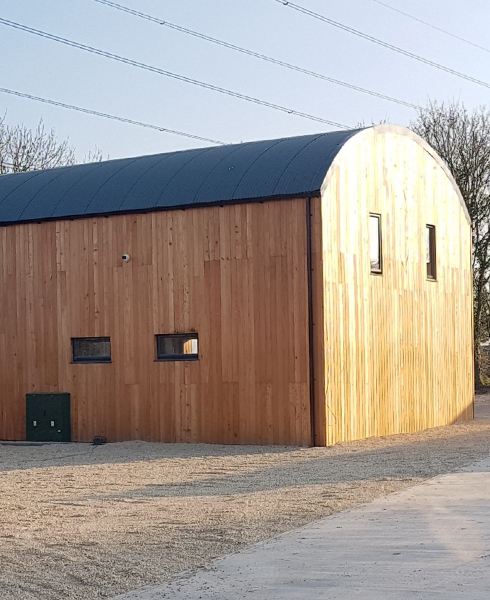
Dry British larch cladding is a robust, locally grown choice, sourced from woodlands across the south of England. It offers a reliable alternative to Siberian larch, with the added benefit of low transport miles and clear provenance. Naturally durable and tough, larch performs well in exposed locations, resisting the rigours of wind and weather. Supplied in two grades, A for a cleaner look with fewer knots and B for a more characterful, knotty appearance, it suits a range of styles. Larch weathers slowly and evenly to a soft silver grey and, unlike some species, does not produce tannins that stain surrounding surfaces.
Call us to discuss your timber cladding project
British larch cladding specification

British larch cladding from Vastern Timber
- Species: British larch (Larix decidua)
- Source: Legal and well-managed forests in England and Wales
- Grades:
Grade A: BS1186-3 1990 Class 2 / EN942:2007 J30
Grade B: BS1186-3 1990 Class 3 / EN942:2007 J50 - Finished thickness: 20 mm
- Widths: 70 mm / 95 mm / 145 mm
- Lengths: Random 1.8-3.6 m+ (with a small percentage down to 1.5 m)
- Profiles: Available in a variety (not tongue and groove)
- Moisture content: 16-20%
- Durability: EN350-2 Moderately Durable, Class 3
- Finish: Supplied uncoated, no treatment required
Click here for NBS style content
Characteristics of British larch cladding
Appearance
British larch cladding ranges in colour from pinky-brown in the heartwood to creamy-white in the sap band. Depending on the grade, boards may feature dark brown knots and occasional resin pockets.
Weathering
British larch timber cladding weathers relatively slowly, often taking two years to develop a silver-grey patina. It is non-reactive and therefore weathers relatively consistently. Northerly elevations may darken more than southerly aspects.
Desired service life
30 years.
Movement class
Large.
Resistance to impact
High.
Working properties
Good workability. Takes fixings well but can be prone to splitting.
Density
570–650 kg/m³.
Extractives
Contains resin rather than oils or tannins.
Installation of larch cladding boards
How to fix larch cladding
Pre-dril larch cladding and fix through the face with either stainless steel ringshank nails or trim head screws.
Because larch is relatively unstable, we do not recommend the use of secret fixings through the tongue. Nail guns are not recommended. Leave a minimum of a 2mm expansion gap between following oak boards.
Recommended batten type for larch cladding
Profiled Thermowood or treated softwood battens are recommend behind larch cladding. The minmimum thickness of primary battens should be 40mm. Horizontal battens to have angled top face to shed water.
Click to find out more about our Thermowood batten system
Batten spacing for external timber cladding
400-500 mm
Fixings for larch cladding
Only use stainless steel fixings for external cladding.
For larch cladding we recommend 50mm stainless steel ring shank nails or 50mm stainless steel trim head screws.
When to fix larch cladding
Ideally fix larch cladding boards during the autumn and winter months to avoid distortion caused by hot dry weather soon after installation.
Resistance to fixing
Medium. We recommend the pre-drilling of larch cladding boards.
British larch cladding profiles
We machine timber cladding to the profile of your choice. The following profiles are recommended for British larch:
Disclaimer
While the utmost care has been taken to provide accurate information, Vastern Timber shall not be held responsible for any consequences arising from any errors or omissions on this website nor for any damages resulting from the use of the information.
FAQS on British Larch Cladding
What is British larch cladding?
How is British larch different from Siberian larch?
Is larch timber cladding available in different grades?
How long does larch wood cladding last?
How does British larch weather?
What does British larch look like?
How should larch timber cladding be fixed?
When is the best time to install larch wood cladding?
Does British larch contain tannins?
What profiles are available?
Disclaimer
While the utmost care has been taken to provide accurate information, Vastern Timber shall not be held responsible for any consequences arising from any errors or omissions on this website nor for any damages resulting from the use of the information.

Contact Form
Download Guide


Sign up for our monthly newsletter of timber news, with inspiring case studies and specially selected stories from the wonderful world of trees and woodlands.
Request a quote
Request a sample
The content of this website is © Vastern Timber Limited unless otherwise stated