

Brimstone® at 10: A decade of British Thermally Modified Timber

Ten years ago, we set out to do something no one else in the UK was doing: take under-used British hardwoods and turn them into a world-class exterior (and interior) material. That idea became Brimstone®, the first thermally modified British hardwood range, and since then it’s grown into one of the most respected cladding options in the country.
A decade on, Brimstone isn’t a “new” idea. It’s a proven product with real-world results, award recognition, and an installation knowledge base built the hard way: through hundreds of projects, thousands of boards, and every possible weather condition Britain can throw at it.
Others have stepped into TMT more recently in the UK, with numerous types of thermally modified wood from around the world, but there’s no shortcut for experience. We’ve spent ten years understanding how British hardwoods behave through modification, machining and on the wall, and that depth of technical insight is what still sets Brimstone apart.
What makes Brimstone different
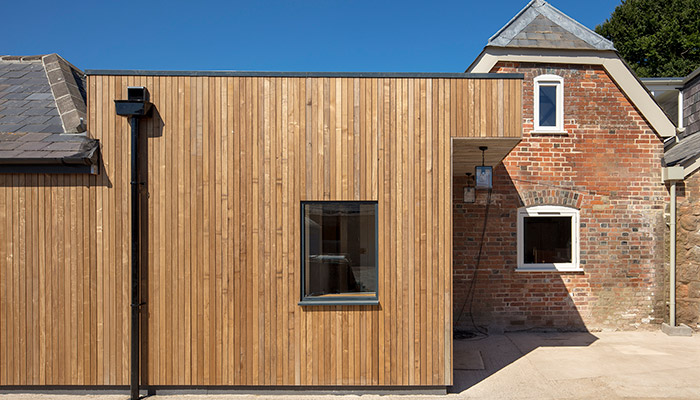
At its core, Brimstone is about performance and provenance. We take British Ash, Poplar and Sycamore and thermally modify them in a controlled process that drives out moisture and rearranges the timber structure. The result is a material that moves less, lasts longer, and gives designers the freedom to use local hardwoods where only imported softwoods or tropical species would have been considered before.
Every species behaves differently; Brimstone Ash develops a fine, architectural grain; Poplar offers a lighter, cedar-like appearance; Sycamore takes on a beautifully crisp texture after modification. But across the board, the appeal is the same: stability, durability and a contemporary aesthetic, all grown and manufactured in the UK.
Proven in the real world
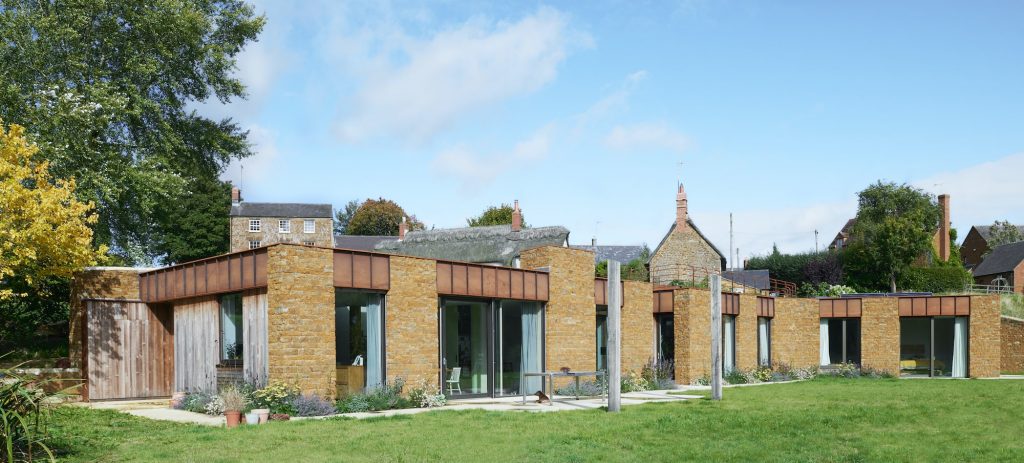
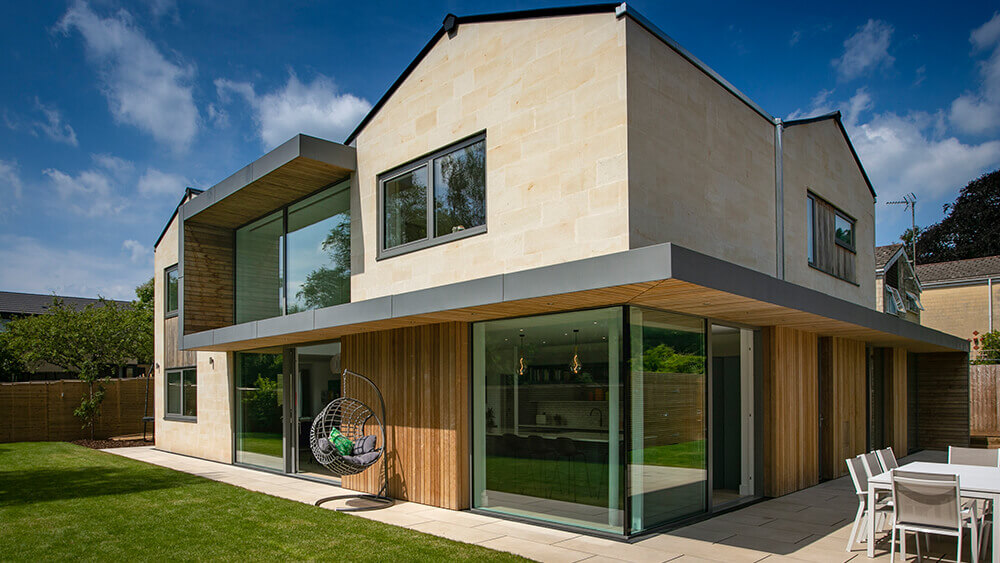
Brimstone’s story isn’t theoretical. It’s written into the cladding of eco-homes in North Somerset, contemporary extensions in Bath stone, and sensitive refurbishments of listed buildings where a modern material still needs to feel grounded in British craft.
One of the best-known examples is Charlie Luxton’s low-energy self-build, where Brimstone Ash was chosen for its mix of performance, aesthetics and local sourcing. But you’ll find Brimstone across a wide range of projects, from rural new builds to urban renovations, each one feeding back into the knowledge that helps us keep improving the product.
Better for British woodlands
There’s a bigger impact here too. Brimstone creates a genuine, high-value market for British hardwoods, species that have historically been underused or undervalued. When these timbers gain market demand, woodland management improves, biodiversity benefits, and local supply chains become more resilient.
Thermal modification allows architects to choose British timber without compromising on performance. It keeps value in local woodlands, supports shorter supply chains, and reduces dependence on imports. That’s a win for the industry and the landscape.
Why now is the moment to specify Brimstone
Ten years in, Brimstone is technically refined, award-recognised, and backed by more installation experience than any other British TMT product. Architects trust it. Self-builders love it. Contractors know it behaves predictably when detailed well.
And with British hardwood supply becoming an essential part of national climate and land-use strategy, the case for specifying local materials has never been stronger.
Ready to work with Brimstone?
If you’re planning a cladding project and want proven performance, local sourcing and proper technical backup, Brimstone is the place to start.
Get in touch to discuss pricing, request samples, or speak to our technical team.