
Wildlands Unveils Low-Carbon Wildlife Tower Built With British Timber
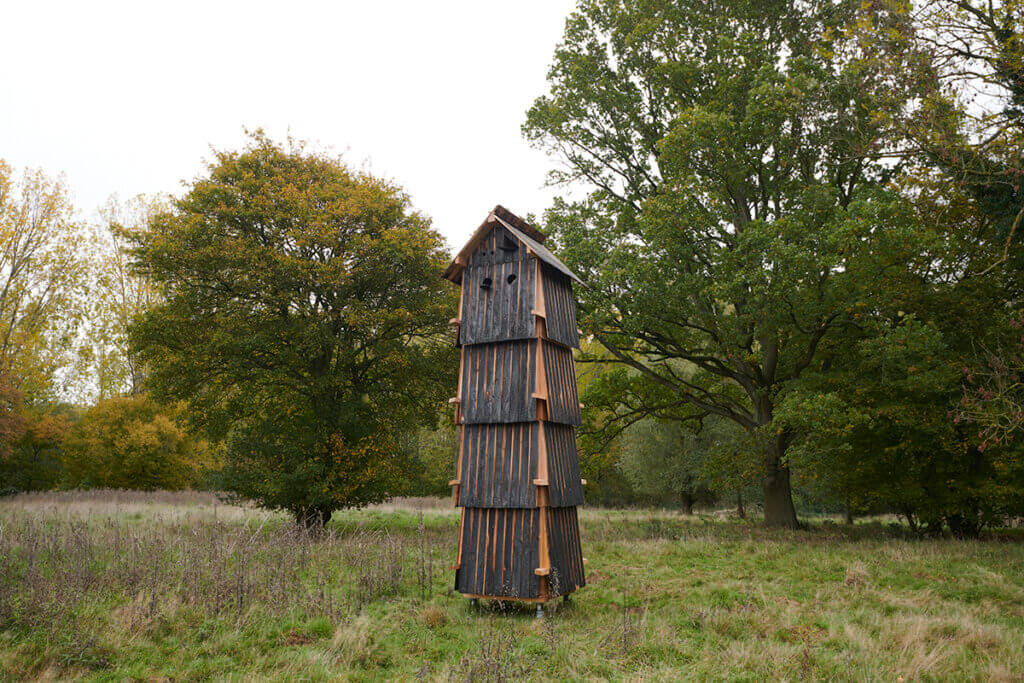
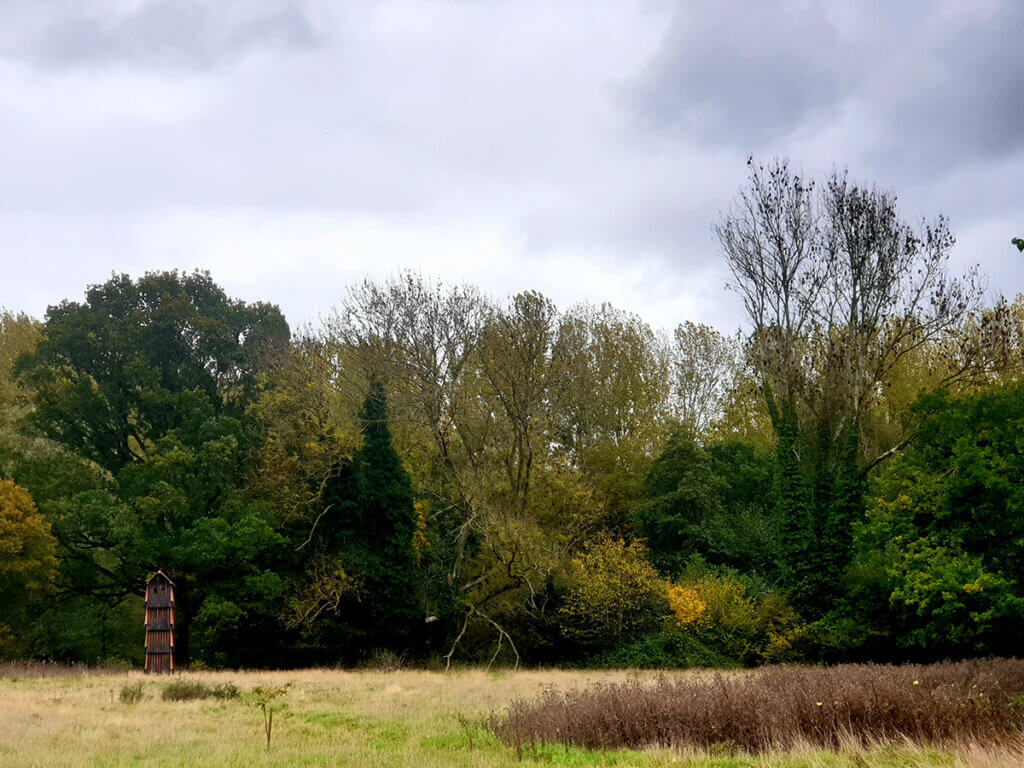
A new Wildlife Tower has been completed at Wildlands Suffolk – a rewilding estate on the River Deben – showcasing how low-carbon construction and British-grown timber can help support biodiversity.
Designed by Natural Building Studio and delivered in partnership with Wildlands, the Barn Owl Trust, Odace Structural Engineers, No More Digging, and Vastern Timber, the tower provides nesting and roosting spaces for barn owls, kestrels, bats, small birds and insects.
Locally Grown Timber at Its Core
Vastern Timber supplied all the UK-grown Douglas fir and larch used in the structure. The frame is built from naturally durable Douglas fir, providing strength and stiffness without chemical treatment. The cladding is made from character-grade larch, charred using the Shou Sugi Ban technique to create a long-lasting, low-maintenance finish.

Low-Impact Foundations
To avoid concrete, the tower sits on micro-screw piles installed in a single day. These steel piles disturb the ground far less than traditional foundations and can be removed and reused at end of life.
Built Off-Site, Installed in a Day
The tower was prefabricated in four modules inside a barn, improving build quality and minimising disruption to the rewilding site. The modular design also means the entire structure can be taken apart and reused in the future.
A Major Reduction in Carbon
Switching from the Barn Owl Trust’s original masonry design to local timber cut embodied carbon from around 5 tonnes of CO₂ to carbon neutral across stages A1–A5, with an overall footprint around 60% lower even after end-of-life emissions are considered.
Built for Wildlife
Inside the tower is a vertically stacked habitat: warm chambers for bats, nest boxes for owls, sheltered ledges for birds, and small gaps that encourage insects and invertebrates. Over time, it is expected to become a thriving “vertical ecosystem.”